






THULAMAHASHE RESIDENTS ALARMED AS CROSSROADS BECOME MIDNIGHT RITUAL SITES
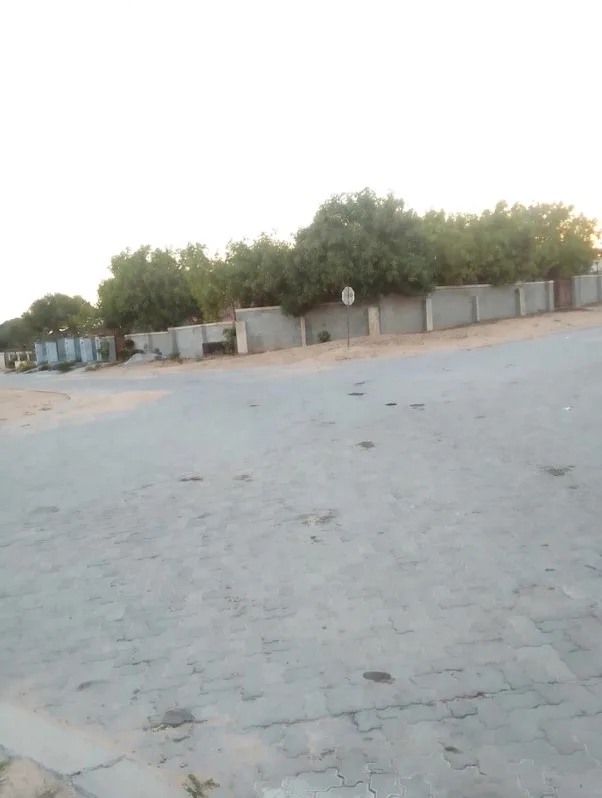
Broken Coca-Cola bottles, shattered eggs and scattered glass have become an increasingly familiar sight at street intersections across Thulamahashe, raising concern among residents who say their neighbourhoods are turning into sites of mysterious midnight rituals.
Residents living near several affected intersections say the practice has been ongoing for years but appears to have intensified, with some claiming that hardly any crossroads in the area have been spared.
According to local witnesses, the activities mostly take place on Saturday nights, often around midnight. Individuals allegedly arrive on foot or in vehicles carrying Coca-Cola bottles and chicken eggs, which they smash in the middle of the intersections before leaving.
Residents believe the activities are connected to traditional spiritual consultations, with people reportedly being instructed by traditional healers, commonly known as sangomas, to perform rituals at crossroads as a way of getting rid of misfortune, bad luck and personal hardships.
There are also claims that some of these rituals are performed while participants are naked. However, this aspect could not be independently verified.
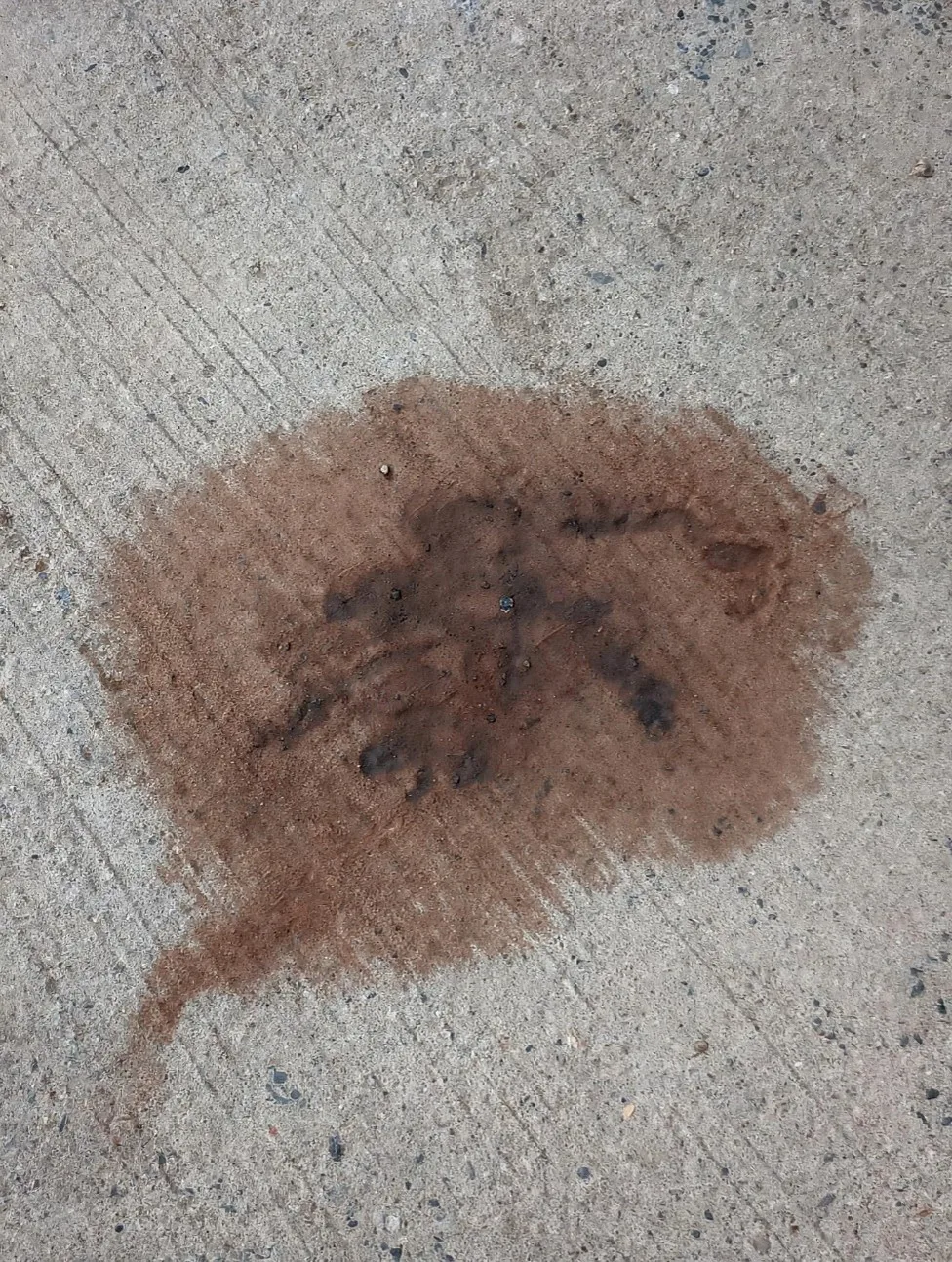
BELIEF THAT BAD LUCK IS LEFT AT CROSSROADS
At the centre of the controversy is the belief that crossroads provide a place where people can leave behind their misfortunes.
According to accounts circulating within the community, those who perform the rituals believe that their bad luck is transferred to the location and could potentially affect anyone who walks over or disturbs the remnants left behind.
This belief has reportedly influenced how some residents respond to the situation.
Some deliberately avoid walking over the affected areas, while others refuse to sweep away the broken bottles and eggs, fearing that touching the remains could expose them to the very misfortune others are attempting to get rid of.
Consequently, broken glass and other debris are sometimes left scattered across roads for days, creating an additional problem for the community.
RESIDENTS SAY THE PRACTICE IS GETTING OUT OF HAND
Residents say what was once an occasional occurrence has seemingly become a regular weekend activity.
One resident described the situation as something that has become part of everyday life in the area.
"It has become a norm. On Sunday mornings, you find broken bottles and eggs in the middle of the road. Everyone knows what happened during the night, but nobody wants to touch those things," the resident said.
Another resident expressed concern that the practice was spreading to more intersections.
"In the past, it was only one or two crossroads. Now, it is everywhere. People arrive in cars late at night, and by morning, you find the evidence scattered across the road," the resident explained.
Witnesses claim that those involved usually conduct the activities quickly and leave before nearby residents can identify them.
PUBLIC SAFETY CONCERNS MOUNT
While residents hold different opinions about the spiritual significance of these activities, there is growing concern about the dangers posed by the broken glass.
The scattered shards present a potential threat to pedestrians, particularly children walking barefoot, cyclists and motorists whose vehicle tyres could be damaged.
Residents have also raised concerns about the cleanliness of their neighbourhoods, questioning why public roads and intersections should be left covered in broken glass and other waste.
Some argue that traditional and spiritual practices should be respected as part of cultural and personal beliefs. However, they maintain that such practices should not compromise the safety and cleanliness of public spaces.
WHERE DOES CULTURAL FREEDOM END AND PUBLIC SAFETY BEGIN?
The situation has opened up a broader conversation about the relationship between traditional beliefs, spiritual practices and the responsibility to maintain shared public spaces.
Crossroads hold symbolic significance in various African traditional belief systems and are sometimes associated with spiritual transitions, cleansing and the exchange between the physical and spiritual worlds.
However, residents believe that whatever the spiritual intentions behind these activities, those responsible should consider the impact on other members of the community.
For many people in Thulamahashe, the issue is no longer simply about what happens at midnight. It is about waking up to dangerous debris on public roads and being expected to live with the consequences.
As concerns continue to grow, residents are calling for greater awareness and community engagement to address the practice without disrespecting traditional beliefs.
For now, Thulamahashe's crossroads remain places of both spiritual significance and growing public concern, where traditional beliefs are increasingly colliding with everyday community safety.