











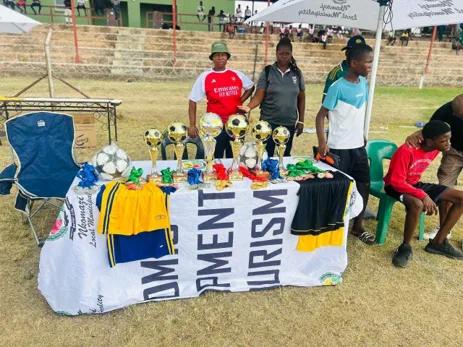






JAMES MAYINGA TOURNAMENT UNDER FIRE OVER ALLEGED DOUBLE STANDARDS IN AGE REQUIREMENTS
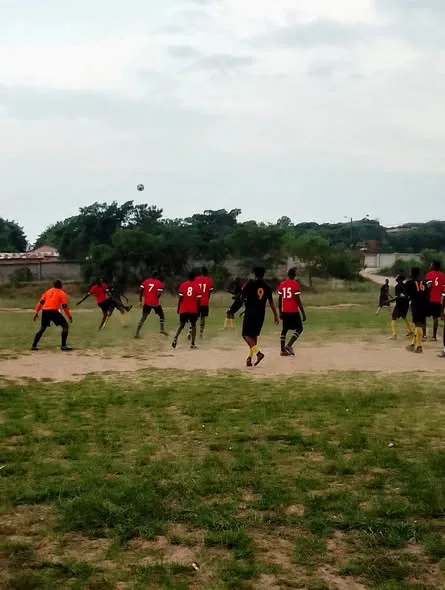
The James Mayinga Tournament's qualification process has come under scrutiny following allegations that age restrictions are not being applied consistently across different football association venues in Bushbuckridge.
Concerns have emerged over the alleged inconsistent enforcement of the Under-19 age requirement, with questions being raised about whether all participating teams are competing under the same eligibility conditions.
The controversy centres on claims that some teams are allowed to field players above the prescribed Under-19 age limit during qualification matches, while stricter age restrictions are reportedly enforced at other venues.
ALLEGATIONS OF UNEQUAL APPLICATION OF RULES
According to concerns raised by football followers, the Thulamahashe Football Association and Ximhungwe Football Association qualification centres have allegedly allowed teams to use players who are above the Under-19 age requirement.
It is further alleged that the enforcement of age restrictions becomes stricter once teams qualify for the main James Mayinga Tournament, where players are expected to meet the Under-19 eligibility criteria.
Meanwhile, Manyeleti, Welverdiend and Khokhovela are reportedly applying different standards during their qualification stages, with teams expected to adhere more strictly to the relevant Under-19 and Under-23 age requirements.
If confirmed, these allegations would raise serious questions about the uniformity and credibility of the qualification process.
However, the claims have not been independently verified, and no official finding has been made regarding alleged breaches of the tournament's eligibility rules.
YOUNG PLAYERS COULD BE LOSING OUT
Beyond the question of rule enforcement, the controversy has raised concerns about opportunities for genuinely eligible young footballers.
The James Mayinga Tournament is regarded as an important platform for developing and showcasing young football talent in Bushbuckridge. Its purpose should therefore be to give deserving young players an opportunity to compete, gain experience and demonstrate their abilities.
Football followers questioning the alleged practices argue that allowing over-age players to participate in qualification matches could disadvantage younger footballers who meet the prescribed age requirements.
The Thulamahashe Football Association, considered one of the largest football associations in Bushbuckridge, is also facing questions from observers who believe that established football structures should lead by example when it comes to respecting competition regulations.
For many, the issue is not about which association qualifies the most teams, but whether every young player is given a fair opportunity under the same rules.
ORGANISERS MUST ANSWER KEY QUESTIONS
The growing concerns have placed the tournament organisers under pressure to explain how age eligibility is determined and monitored across all qualification centres.
Among the questions requiring urgent clarification are:
What are the official age categories and eligibility requirements for the tournament?
Does the Under-19 requirement apply throughout the qualification stages or only during the main tournament?
Are over-age players permitted to participate in qualification matches?
Why are different approaches reportedly being followed at various venues?
What verification processes are in place to establish players' ages?
Who is responsible for monitoring and enforcing eligibility requirements?
What disciplinary measures are imposed when teams field ineligible players?
These questions require clear answers to prevent further uncertainty among participating teams, coaches, players and supporters.
FAIR COMPETITION MUST COME FIRST
A football tournament cannot claim to promote youth development while leaving questions about equal opportunities and the consistent application of its rules unanswered.
The credibility of the James Mayinga Tournament depends not only on the quality of football played but also on the fairness of the competition itself.
If the tournament is intended for Under-19 players, that requirement must be clearly communicated and consistently enforced from the qualification stages through to the final.
Teams competing in different venues should not operate under different interpretations of the same regulations.
While the allegations still require verification, the concerns raised deserve serious attention. The organisers now have an opportunity to address the matter publicly, clarify the rules and restore confidence in the qualification process.
Ultimately, the James Mayinga Tournament should be about giving young footballers a fair chance to shine, not leaving them wondering whether they are competing on equal terms.